

From environment management and backend frameworks to deployment automation and network security, these open-source tools are helping developers reduce complexity, streamline workflows, and focus on building better software.
The software development landscape is becoming increasingly complex. Modern applications often rely on multiple programming languages, cloud providers, deployment pipelines, databases, and security layers. As projects grow in scale, developers spend more time managing infrastructure and configurations rather than building features that create value.
Fortunately, a new generation of open-source tools is helping development teams streamline workflows, automate repetitive tasks, and reduce operational overhead. Rather than adding more complexity, these tools focus on removing friction from the development process.
Here are nine open-source projects that are gaining attention for making software development faster, simpler, and more efficient.
Nitric
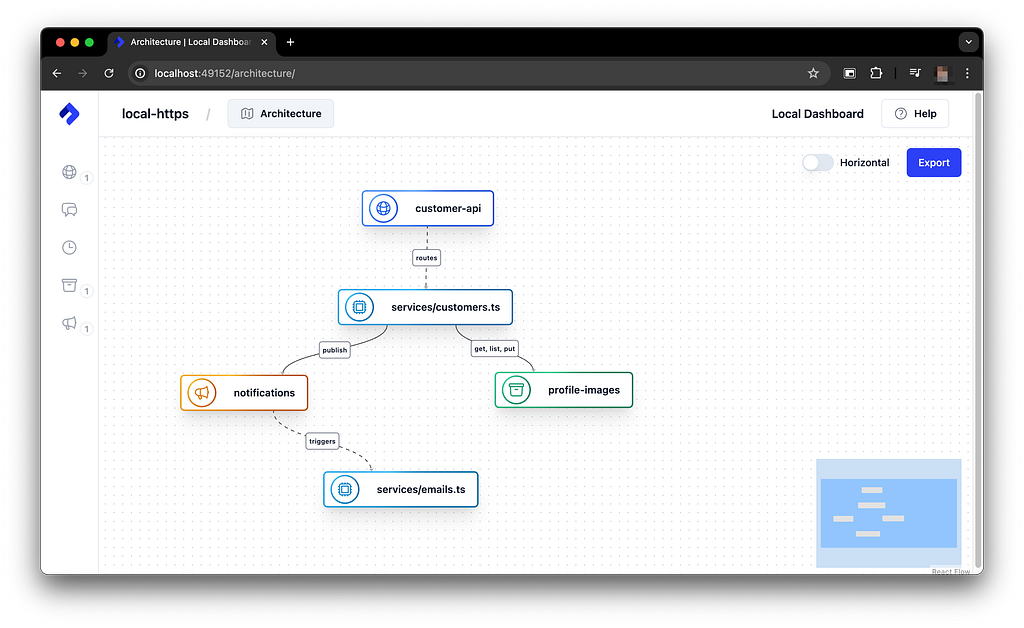
Nitric is a backend development framework designed to abstract away the differences between cloud providers. Instead of manually configuring infrastructure for each environment, developers can define resources directly in code using languages such as TypeScript, JavaScript, Python, or Go.
By integrating with tools like Terraform and Pulumi, Nitric allows applications to be deployed across major cloud platforms including AWS, Google Cloud, and Azure. Its local simulation capabilities also enable teams to test functionality before deploying to production, helping reduce cloud-specific dependencies and vendor lock-in.
ServBay
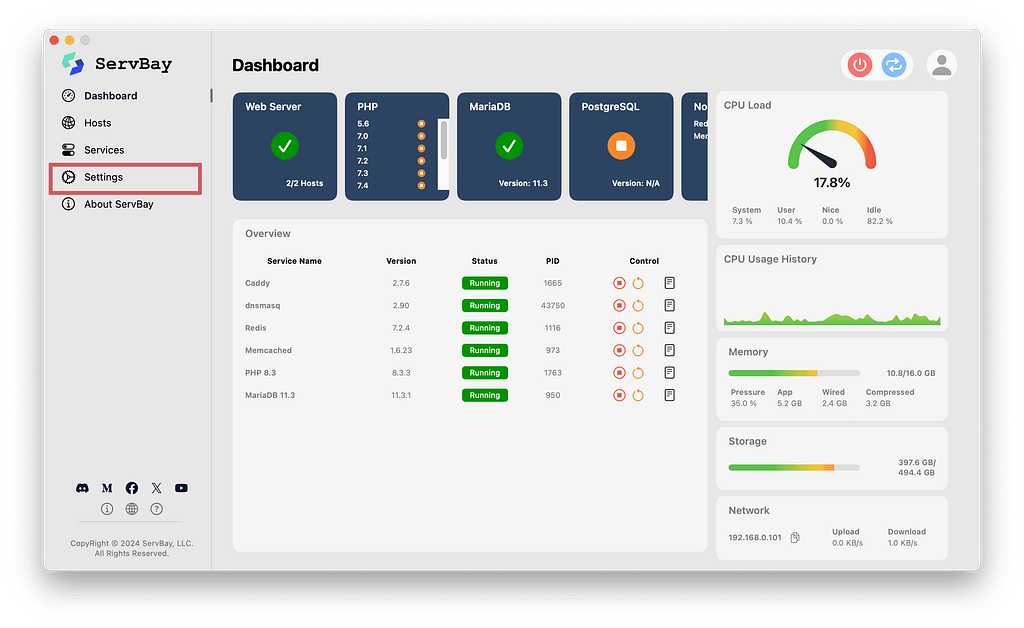
Setting up development environments can be one of the most time-consuming parts of starting a project. Different applications often require different versions of Node.js, PHP, Python, or supporting services.
ServBay simplifies this process by providing a one-click environment management solution. Developers can run multiple versions of runtime environments side by side and switch between them as needed. The platform also includes support for popular databases such as MySQL and PostgreSQL, making local development significantly easier.
Encore
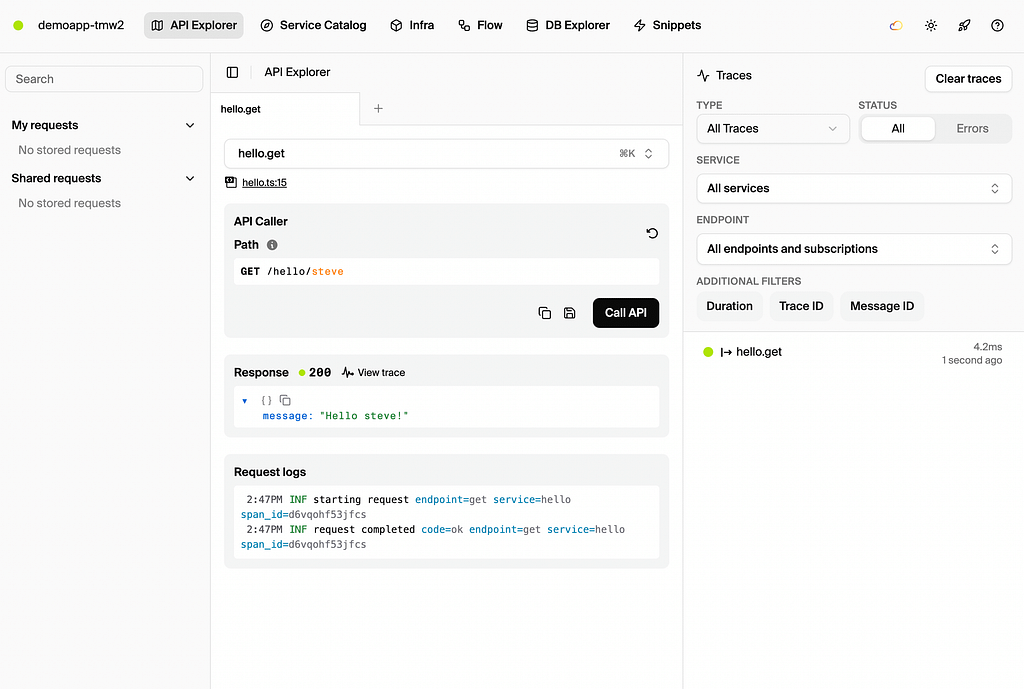
Building distributed applications and microservices introduces challenges around service orchestration, API consistency, and infrastructure management.
Encore addresses these challenges through a type-safe backend framework that automatically generates infrastructure components, API documentation, architecture diagrams, and local development environments. Its opinionated approach helps teams reduce configuration-related issues while maintaining scalability and code quality.
PocketBase
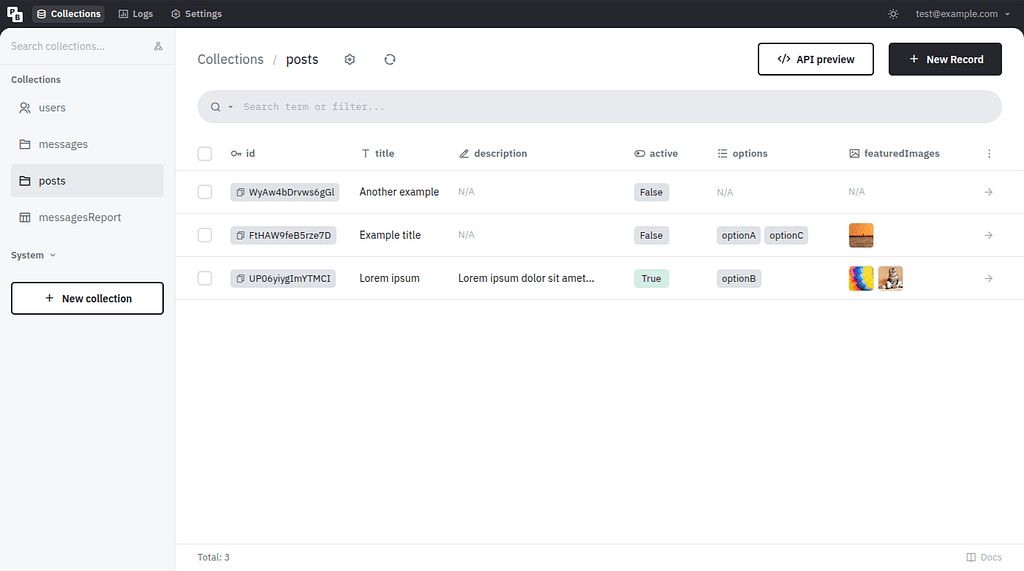
Not every project requires a large-scale backend architecture. For prototypes, internal tools, and smaller applications, simplicity often wins.
PocketBase combines an SQLite database, authentication system, file storage, and real-time capabilities into a lightweight standalone binary. Developers can quickly launch a fully functional backend without managing multiple services or infrastructure components, making it an attractive choice for rapid development.
Coolify
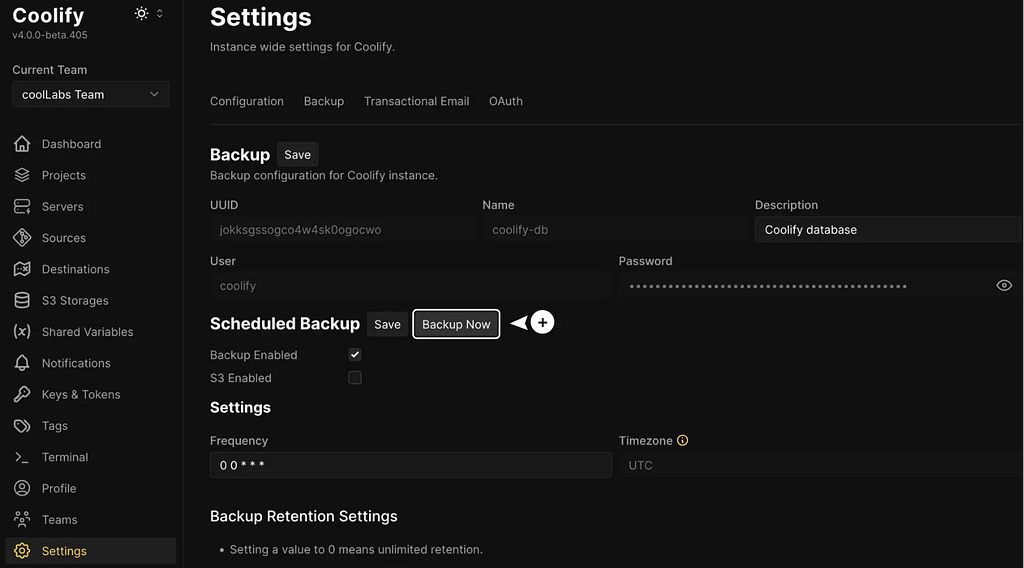
Automated deployment platforms have become popular, but many developers prefer retaining full control over their infrastructure.
Coolify offers a self-hosted alternative that provides deployment automation, SSL management, Git integration, and container orchestration through a user-friendly interface. Running on a VPS or dedicated server, it delivers much of the convenience of managed deployment platforms while keeping applications and data under the organization’s control.
Infisical
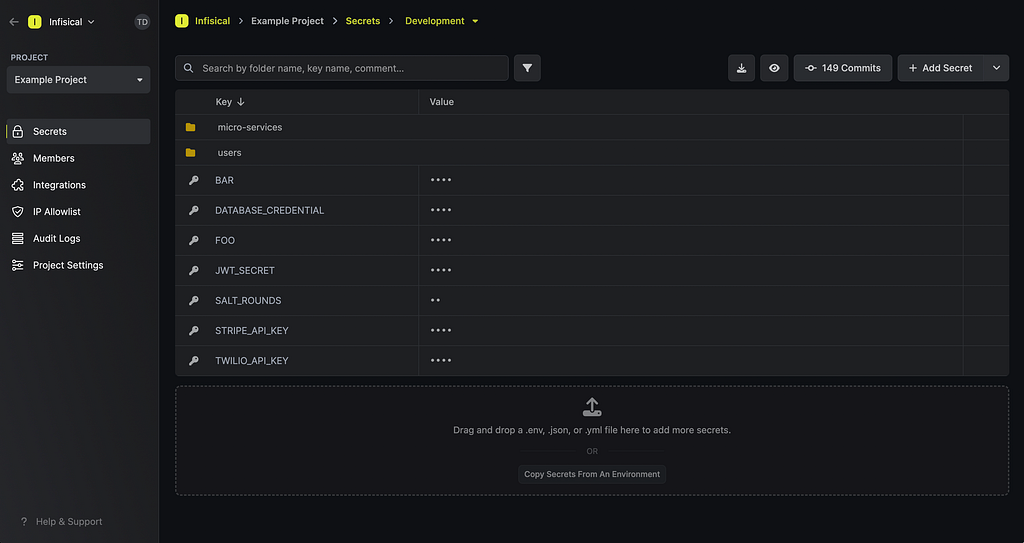
Managing secrets and environment variables securely remains a challenge for many development teams. Sharing credentials through configuration files or messaging platforms can introduce unnecessary risks.
Infisical provides a centralized secrets management platform that synchronizes credentials across development, testing, CI/CD pipelines, and production environments. With end-to-end encryption and command-line integration, it offers a more secure approach to handling sensitive information.
NetBird
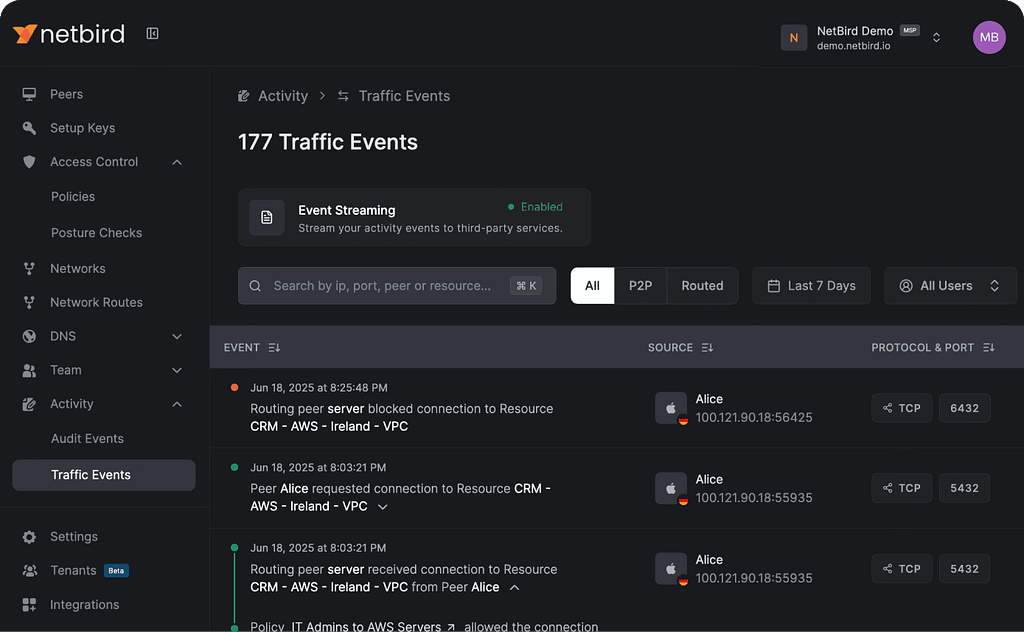
Remote development and distributed teams often require secure access to internal resources such as databases, servers, and development environments.
Built on WireGuard, NetBird creates secure private networks that connect devices across different locations. With support for modern authentication methods such as single sign-on and multi-factor authentication, it simplifies remote connectivity without requiring complex VPN configurations.
Ntfy
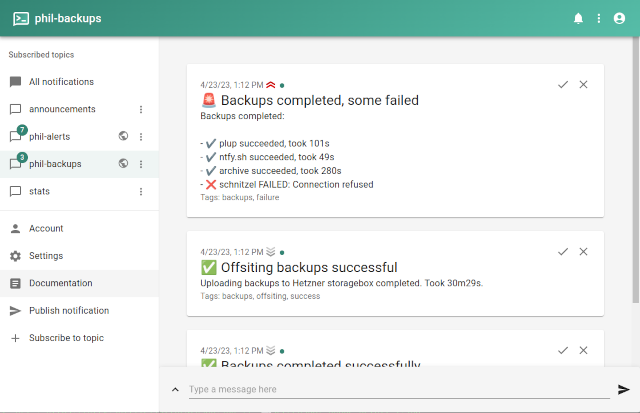
Developers frequently run long-running scripts, automated workflows, or background jobs that require monitoring.
Ntfy offers a lightweight notification system that can send updates to mobile devices or desktops using simple HTTP requests. Because it can be self-hosted, organizations maintain control over their notification infrastructure while adding real-time alerts to automated processes with minimal effort.
Zrok
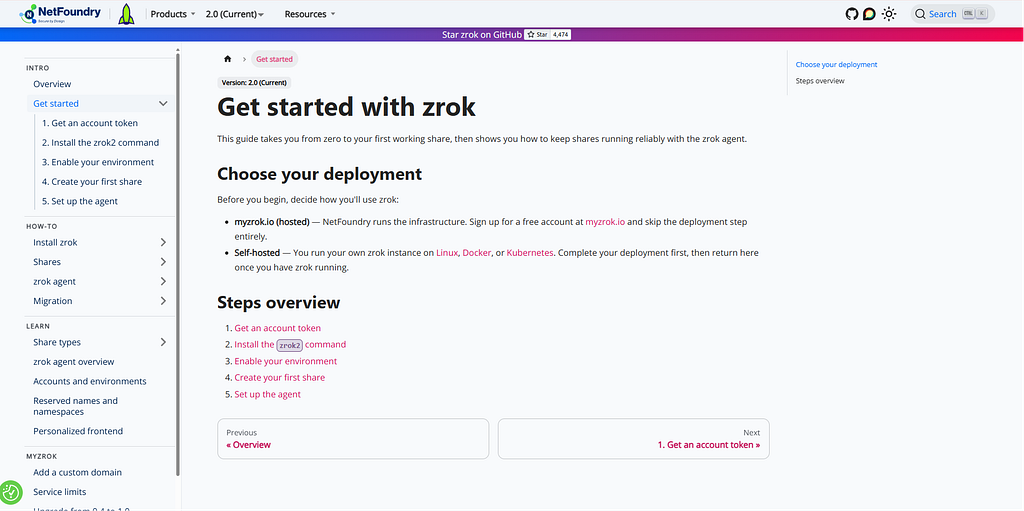
Sharing local development environments or testing webhook integrations often requires exposing services to external users.
Zrok provides secure network tunneling built on a zero-trust architecture. It allows developers to expose local services without modifying firewall settings while maintaining strong access controls. This makes it particularly useful for demonstrations, testing, and collaborative development scenarios.
Looking Beyond Features
The most valuable development tools are not always those with the largest feature sets. Often, the biggest productivity gains come from removing repetitive tasks, simplifying infrastructure management, and reducing cognitive overhead.
As software systems continue to grow in complexity, tools that streamline environment setup, deployment, security, and networking will play an increasingly important role. The common thread among these nine projects is their focus on helping developers spend less time managing systems and more time building products.
In a world where engineering teams are expected to move faster than ever, choosing the right tools may be one of the most impactful decisions a development organization can make.